Understanding Weight Changes During Perimenopause

Hey there, lovely! If you’re in the midst of perimenopause, you’re not alone. I’m right there with you, navigating this rollercoaster of changes. One of the biggest surprises for me has been how much my body is changing—especially when it comes to weight. It can feel confusing and even a little frustrating, but let’s chat about what’s happening and how we can approach this together with kindness and grace.
Hormonal Changes and Weight Gain
First off, let’s talk hormones. During perimenopause, our hormones are doing a bit of a dance (and not always in sync!). Estrogen levels drop, which can:
- Slow Down Metabolism: Yep, suddenly the things that worked before don’t seem to anymore. I’ve noticed my jeans fit differently, and it’s not because they shrank in the wash.
- Impact How We Store Fat: More fat tends to settle around the belly, and that can be tough to accept.
- Reduce Muscle Mass: Less testosterone means it’s harder to maintain muscle, which makes our metabolism slower.
Understanding this has helped me feel less “broken” and more compassionate toward my body.
Emotional Impacts of Weight Change
I’ll be honest—seeing these changes in the mirror can bring up a lot of feelings. I’ve had days where I felt like my body wasn’t my own anymore. If you’ve been there, know it’s okay to feel that way. Here’s what’s helped me:
- Letting Myself Feel the Emotions: Instead of pushing feelings aside, I’ve learned to sit with them and remind myself that it’s okay to feel this way. Some days I cry, some days I laugh—both are healing.
- Talking to Friends: Sharing my struggles with close friends has been such a relief. Turns out, many of them are experiencing the same thing, and we’ve been able to support each other.
Body Image and Self-Esteem
This one is tough. We live in a world that often values women for how we look, but perimenopause has taught me to shift my focus. Instead of fixating on the scale, I’ve started celebrating what my body can do—like pushing through an intense HIIT class or hitting a new PB in the gym. Here is what’s working for me:
- Self-Compassion: When I catch myself being critical, I stop and think, “Would I talk to a friend like this?” The answer is always no!
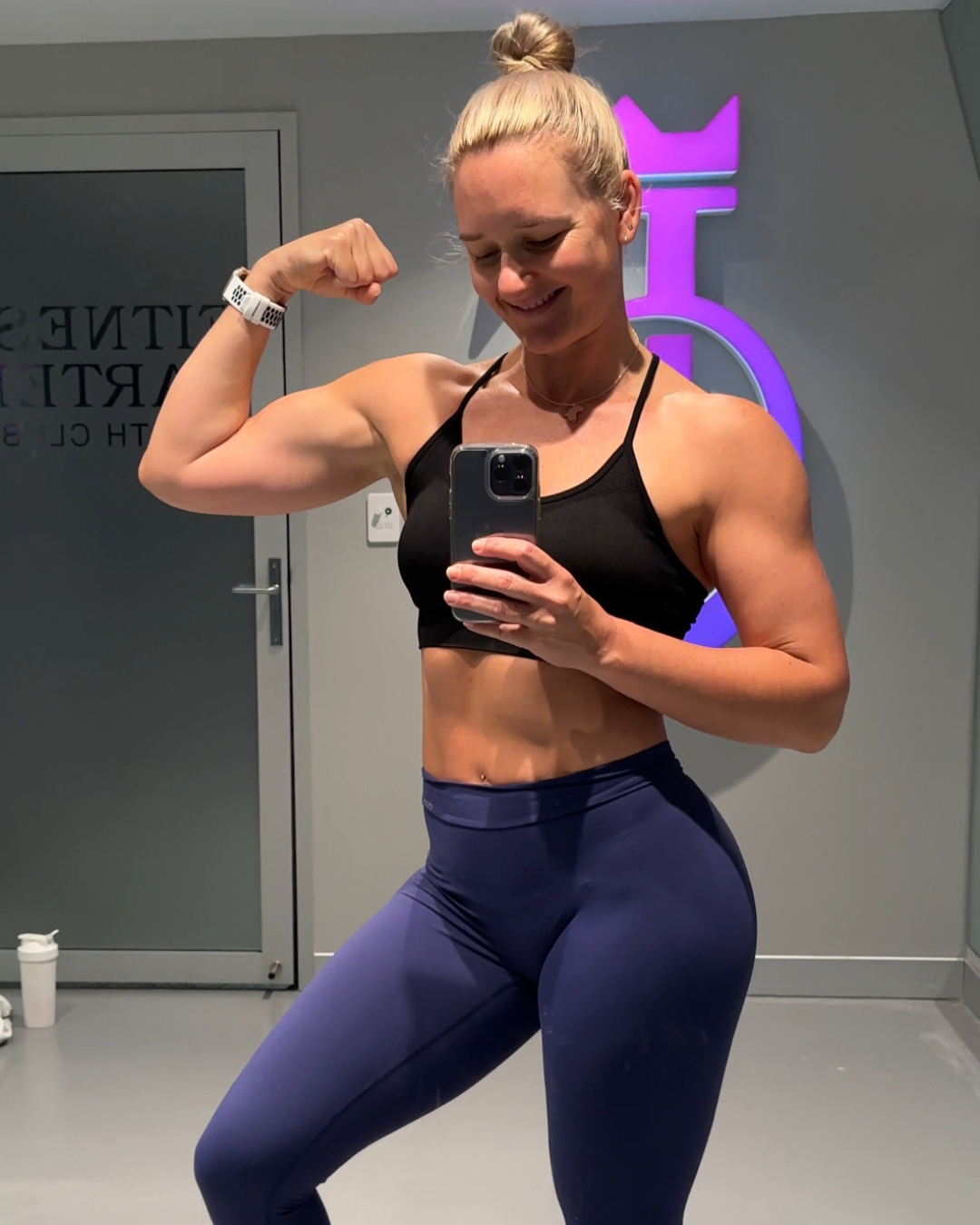
- Focusing on Strength: I’ve started focusing more on the improvements in strength and less on the aesthetics or what my body looks like, and it’s been a game-changer. Seeing my progress reminds me that my body is strong and capable.
Mental Health and Perimenopause
Let’s not forget how much these hormonal shifts affect our mood. I’ve had more emotional days than I care to count, but I’ve learned some tricks to keep my mental health in check:
- Staying Active: Even a quick walk around the block lifts my spirits.
- Prioritising Sleep: This one is hard because perimenopause can mess with your sleep. I’ve found that sticking to a bedtime routine (and cutting back on late-night screen time) helps a lot.
- Getting Professional Support: In the past talking to a therapist has been so helpful for me. It’s great to have someone who listens and offers tools to navigate this season.
Best Nutrition Approach for Perimenopause
When it comes to food, I’ve learned that small changes can make a big difference. Here are some tips that have helped me feel better:
- Protein is Key: This is a big one. During perimenopause, maintaining muscle mass is crucial as it naturally declines with age. Eating more protein helps counteract this loss, boosts metabolism, and keeps you feeling fuller for longer. I aim to include high-quality protein sources like eggs, chicken, fish, beans, and Greek yogurt in every meal. Protein also plays a role in hormone production and repair, making it essential during this transition.
- Whole Grains for the Win: Swapping white bread for whole grain options has helped with energy dips as well as digestion.
- Healthy Fats: Foods like salmon, avocado, and nuts are my go-to for keeping hormones happy.
- Lots of Veggies and Fruits: Aiming to get a variety of fruit and veg each day and trying new recipes to keep it fun.
- Stay Hydrated: I always keep a water bottle nearby—it’s such an easy way to feel better.
- Cut Back on Processed Foods: I’m not perfect, but reducing sugary snacks has made a noticeable difference in how I feel.
Final Thoughts
Perimenopause is a big life transition, but it’s also an opportunity to reconnect with ourselves. The weight changes are real, but so is our ability to adapt and thrive. Let’s be patient with ourselves and remember that we’re so much more than a number on the scale. One verse that has brought me comfort during this time is Psalm 139:14: "I praise you because I am fearfully and wonderfully made; your works are wonderful, I know that full well." Even on the hard days, this reminds me that our worth is God-given and unchanging.
You’ve got this, and I’m cheering you on every step of the way. If you’re looking for more tips and support, check out FaithFuelled’s online coaching plans. They’re designed to help you navigate this journey with practical advice, tailored fitness plans, and the encouragement you need to feel your best. Let’s thrive together!