|
Focus Area |
What to Do |
|---|---|
|
Diet |
Follow the Mediterranean style: whole foods, colourful plants, healthy fats |
|
Protein |
Include 20–30g protein per meal (e.g. eggs, fish, Greek yoghurt, legumes) |
|
Bone Health |
Prioritise calcium, vitamin D, and resistance training |
|
Daily Movement |
Walk daily + 2 strength sessions/week |
|
Sleep |
Wind down early, eat light at night, and limit screens before bed |
|
Hydration |
Aim for 2L/day—mostly water |
|
Cut Alcohol |
Limit to 1–2 servings per week or avoid if possible |
|
Stress Relief |
Practice prayer daily, gratitude or breathwork |
Navigating menopause naturally
How Food, Movement, and Lifestyle Can Empower Your Journey
Menopause. For some, it sneaks in quietly. For others, it kicks the door down with night sweats, mood swings, and a growing waistline. But here’s the good news: you don’t have to “just live with it.”
Emerging research is showing that what you eat, how you move, and your daily habits can significantly ease the transition through menopause. At FaithFuelled, we’re all about empowering women with tools that are backed by science—and rooted in compassion. This post unpacks the latest insights from a 2024 review of diet and lifestyle strategies for managing menopause, turning science into actionable steps for your everyday life.
What’s Actually Happening During Menopause?
Menopause usually arrives around the age of 50, though some start earlier. It’s officially diagnosed after 12 consecutive months without a period. What’s happening behind the scenes is a drop in estrogen and progesterone, which throws a few things out of balance:
-
Slower metabolism
-
Increase in abdominal fat
-
Loss of lean muscle
-
Higher risk of heart disease, osteoporosis, and diabetes
-
Common symptoms like hot flushes, poor sleep, mood changes, and fatigue
While these changes are real, they aren’t a life sentence. You have far more control than you might think.
Diet as Your Daily Medicine
You can’t stop the hormonal changes, but you can equip your body to handle them better—starting with your plate.
1. Balance Your Macronutrients
- Carbs: Choose whole grains, legumes, and vegetables over white breads or sugary snacks. These support blood sugar stability, keep you fuller for longer, and reduce fat storage—especially around the belly.
- Fibre: Aim for 25–30g of fibre per day. It helps reduce cholesterol, supports gut health, and keeps you satisfied.
- Protein: This is crucial to preserve your muscle mass, especially as your metabolism slows. The sweet spot? About 1.0–1.2g of protein per kg of body weight per day, spaced throughout meals. Aim for 20-30g protein with each main meal.
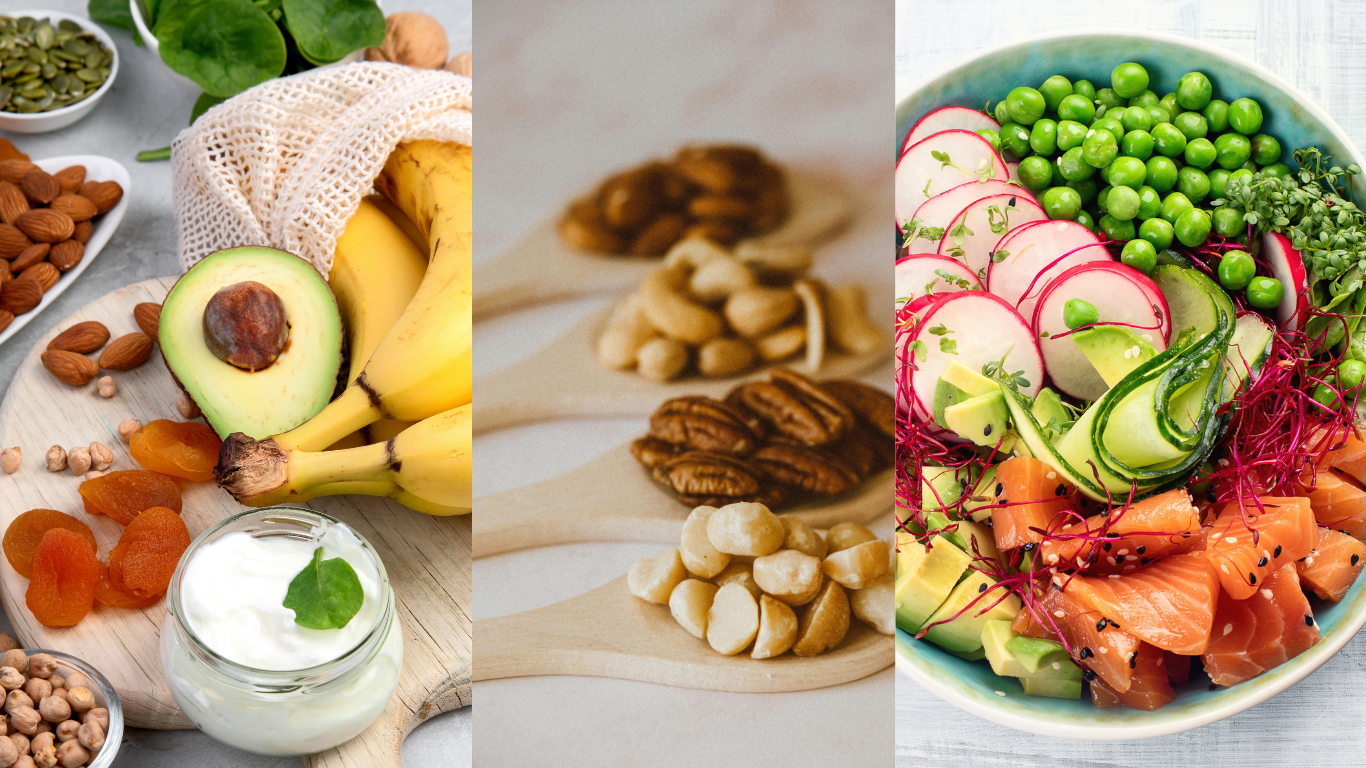
- Fats: Say goodbye to trans fats and limit saturated fats. Instead, opt for heart-healthy sources like olive oil, nuts, seeds, avocados, and fatty fish.
2. Micronutrients that Matter
- Calcium & Vitamin D: These are your best friends for maintaining strong bones. Get your calcium from dairy, leafy greens, and tinned fish with bones. For vitamin D, sun exposure is great—but supplementation may be necessary, especially in winter.
- Magnesium, B Vitamins, Vitamin C, Zinc: These nutrients help with everything from sleep quality to mood balance. Eat a variety of colourful fruits and vegetables to tick these boxes naturally.
3. Hydration
Hormonal shifts can mess with your thirst signals. Don’t wait until you feel thirsty. Aim for 2+ litres per day, mostly from water.
Why the Mediterranean Diet Shines
The research is clear: the Mediterranean Diet—rich in vegetables, fruits, olive oil, fish, nuts, and whole grains—has major benefits for postmenopausal women. It helps:
- Lower cholesterol and blood pressure
- Improve blood sugar control
- Reduce belly fat
- Decrease hot flush frequency
- Boost heart and brain health
- Support bone density
It’s not just a diet. It’s a lifestyle rooted in slow eating, simple ingredients, and community. And it works.
Move It or Lose It: The Power of Getting Active
When it comes to managing menopausal weight gain and symptoms, exercise isn’t optional—it’s essential.
Resistance Training (2–3x/week)
This helps you build or maintain lean muscle, which:
- Keeps your metabolism higher
- Protects your bones
- Improves balance and reduces fall risk
Start with bodyweight movements or light dumbbells and progress over time. You don’t need to lift heavy—just lift consistently.
Aerobic Exercise (3–5x/week)
Walking, swimming, cycling, or dancing improves:
- Heart health
- Mood and mental clarity
- Blood sugar control
Even 20–30 minutes a day can make a big difference.
Flexibility & Core Work
Yoga, stretching, and Pilates improve posture, mobility, and can help reduce joint stiffness—a common midlife complaint.

Sleep & Hormones: What You Eat Affects How You Sleep
Sleep disturbances are common in menopause due to changes in melatonin and body temperature regulation.
Nutrition can help:
- Eat dinner 2–3 hours before bed
- Avoid caffeine or alcohol late in the day
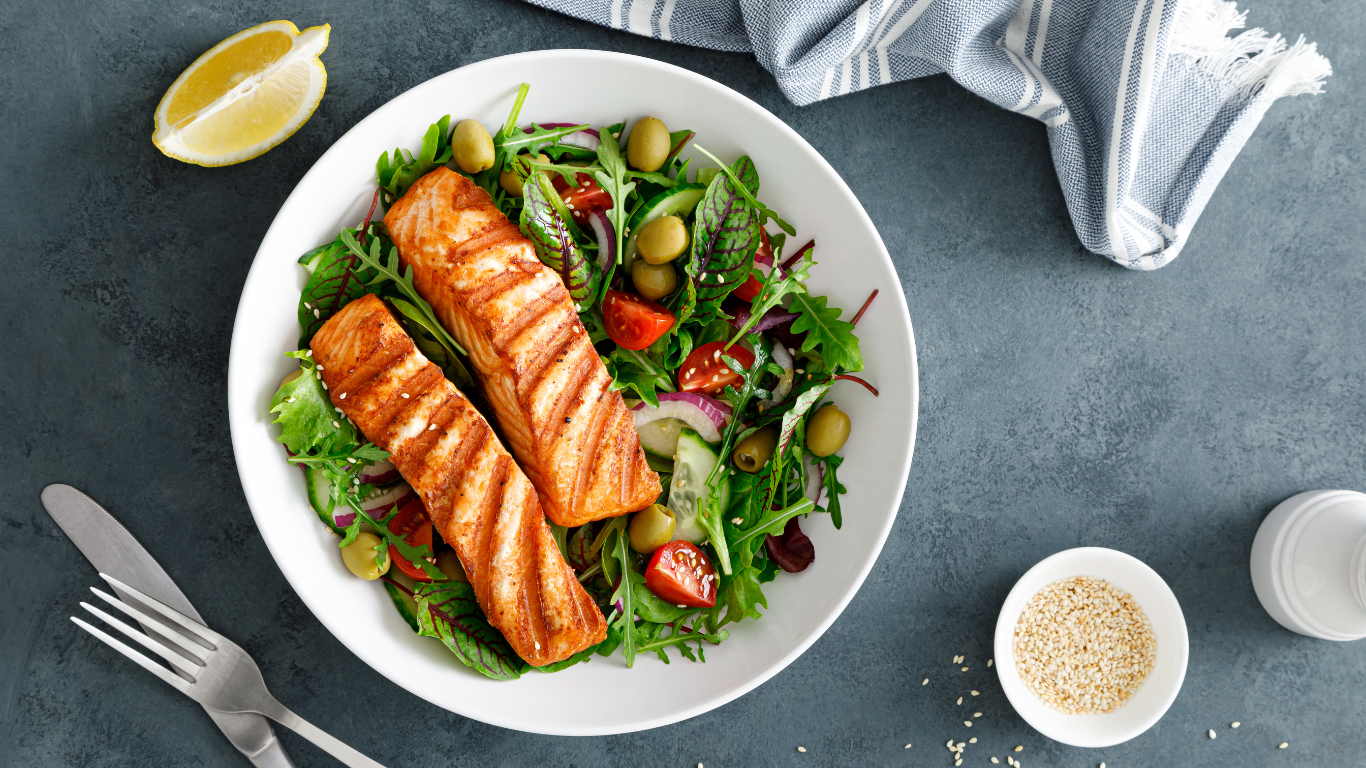
- Include sleep-supportive nutrients like magnesium (leafy greens, seeds), tryptophan (turkey, eggs), and omega-3s (salmon, chia seeds)
- Add foods with natural melatonin like cherries, grapes, and almonds
Aim for a consistent routine, low evening light, and a cool sleeping environment.
FaithFuelled Takeaways: How to Apply This to Your Life
Here’s how you can start feeling better today:
Final Thoughts
Menopause may feel overwhelming—but it’s also a chance to reconnect with your body and step into a stronger, wiser, and more intentional version of yourself.
You don’t need to do it alone. At FaithFuelled, we believe in equipping women with faith-driven, evidence-based tools to thrive during this transition. Whether you're just entering perimenopause or navigating postmenopause, a personalised, nourishing approach is your superpower.
Let food, movement, and mindful living be the foundation of your healing.
Want personalised support?
Explore FaithFuelled’s 1:1 coaching and free resources designed just for women over 40.
